

EMG+
A Biocybernetic Audiovisual Installation by AIOLA STUDIOS
Conceptual Overview
Within the contemporary landscape of interactive media, the integration of the human body as a computational interface presents profound possibilities for generative art. The inaugural project developed by AIOLA STUDIOS, titled EMG+, explores this intersection by systematically translating muscular tension into real-time visual architectures. Electromyography (EMG) is a diagnostic technique historically utilized in medicine for evaluating and recording the electrical activity produced by skeletal muscles. In the context of EMG+, these biophysical signals are repurposed as the primary generative drivers for a multimedia performance.
Lineage and Influences
The methodology behind EMG+ is deeply informed by the pioneering works of artists such as Marco Donnarumma and Atau Tanaka. Both figures are seminal practitioners in the fields of biophysical music and body-centric performance art. Their research centers on capturing visceral, physiological data—such as blood flow, heart rate, and muscle contraction—and coupling it with algorithmic systems to sculpt sound and light. EMG+ expands upon this lineage by applying similar biocybernetic principles to the physical rigor of contemporary musical performance.
Performance and Cybernetic Interaction
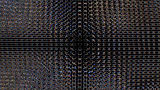
The physical execution of the project is realized in collaboration with a new genre pianist. The performance is structured as an open improvisation, wherein a live cybernetic feedback loop is established. During the performance, the intense and nuanced muscular tension exerted by the pianist is captured via sensors. As the pianist observes the real-time visual translations of the physical exertion on a screen, this visual feedback directly informs both the subsequent musical improvisation and the kinetic dynamics of the performance itself. Through this mechanism, the boundaries between the performer, the instrument, and the digital output are continuously negotiated.
Biometry and Technical Architecture
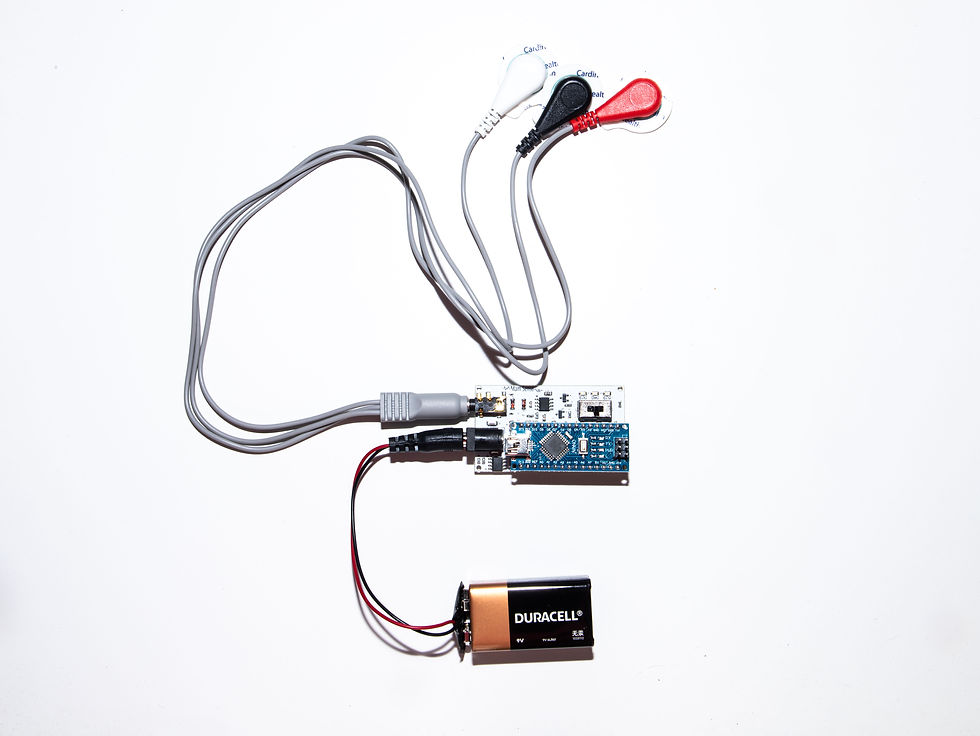
Biometric data acquisition is achieved through the highly specific placement of EMG sensors. To accurately measure sustained muscular contraction over time, primary sensors are positioned on the inner forearm—specifically targeting the flexor carpi radialis and palmaris longus muscles—accompanied by a structural ground connection located on the dorsal bony aspect of the hand. Early iterations also involved sensor placement on the biceps to map broader physical responses.
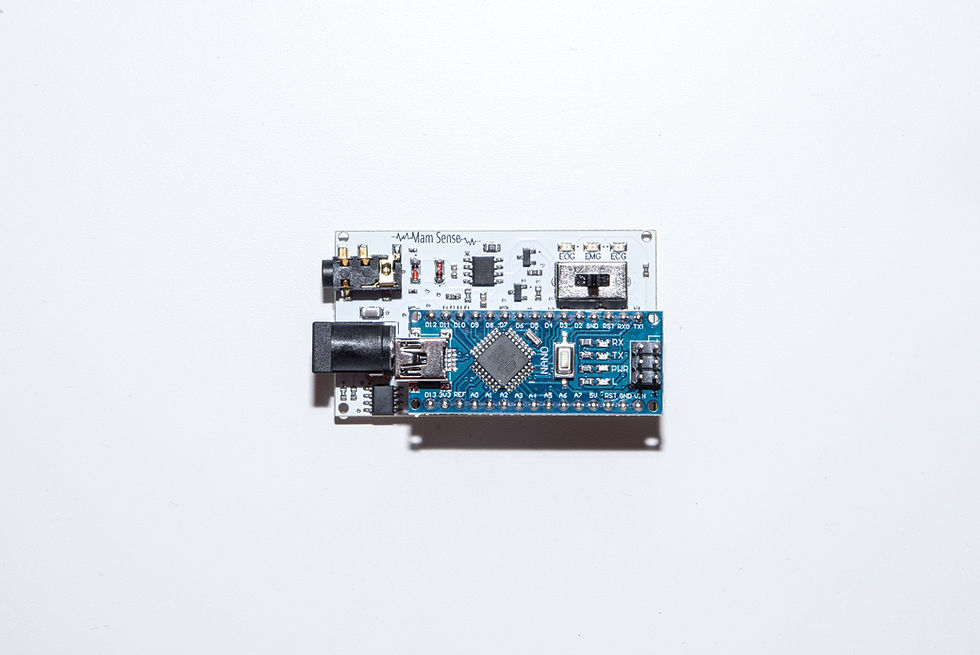
The hardware infrastructure centers around an Arduino Uno microcontroller, engineered to process this raw biological data. This microcontroller is specifically programmed to interface seamlessly with TouchDesigner, a node-based visual programming language utilized for real-time interactive multimedia. Within this digital pipeline, the raw electrical frequencies emitted by the muscles (measured in Hz) are calibrated, filtered, and adjusted.
These refined data streams function as precise algorithmic triggers and continuous modulators for a visual system built upon GLSL (OpenGL Shading Language). The foundational GLSL frameworks, originally developed by the visual artist holotx, were rigorously optimized and advanced to suit the specific parameters of the installation. Furthermore, while the current visual ecosystem is designed to be fully audioreactive, the direct synthesis of generative audio from the biometric data is delineated as a subsequent phase of the project's ongoing development.


